
When to Use Heat, Cold, and Contrast Therapy Based on Your Training
By Thom Salo, COL, USA (Ret), NASM CPT, 5x Ironman, Longevity Director · Sisu Longevity Studio · Colorado Springs, CO
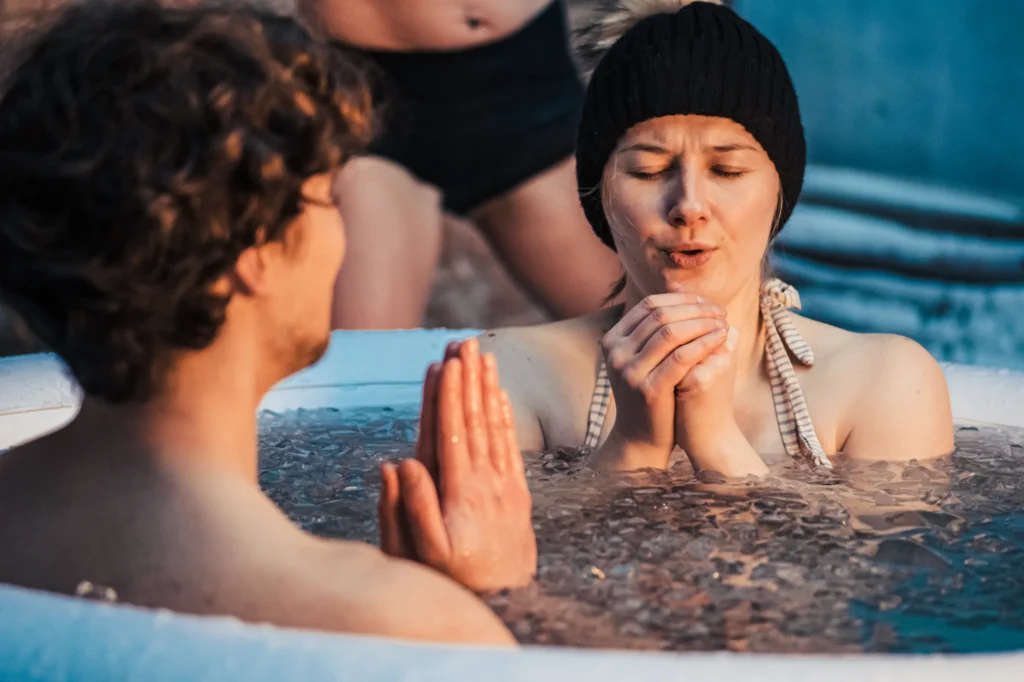
Should You Cold Plunge After Your Workout?
If you sauna, cold plunge, or do contrast therapy, you’ve probably heard that cold exposure can interfere with your workout gains. That’s true, but only for one specific type of training, and understanding the difference changes everything about how you time your recovery.
Your body adapts to exercise through two distinct biological pathways, the structural pathway and the metabolic pathway, and they don’t respond to cold the same way.
The structural pathway is what drives muscle growth after strength training, squats, deadlifts, resistance work. When you lift heavy, you create microscopic muscle fiber damage. Your body repairs that damage through an inflammatory response driven by a protein called mTOR (mechanistic target of rapamycin), rebuilding the tissue larger and stronger than before. (Bodine et al., 2001) The inflammation is the adaptation signal, not a side effect to be managed. Cold exposure directly suppresses this inflammatory cascade, which is why cold water immersion after resistance training has been shown to measurably reduce long-term muscle growth and strength gains. (Roberts et al., 2015)
The metabolic pathway is what drives endurance adaptations, more mitochondria, better oxygen delivery, improved cardiac output, enhanced fat burning, faster lactate clearance. These adaptations are triggered by energy demand through different molecular signals, AMPK (AMP-activated protein kinase) and PGC-1α (peroxisome proliferator-activated receptor gamma coactivator 1-alpha), not by tissue damage. (Jäger et al., 2007) There’s no inflammatory repair cycle to protect. Cold exposure doesn’t interfere with any of it. (Jäger et al., 2007; Ihsan et al., 2015)
This distinction drives all timing decisions.
After Strength Training
Skip the cold plunge. Sauna is safe and it helps. Heat shock proteins protect newly synthesized muscle proteins and guide proper folding. (Kregel, 2002; Selsby et al., 2007) Growth hormone elevation is among the documented endocrine responses to repeated sauna exposure. (Laukkanen & Kunutsor, 2024) Blood flow increases nutrient delivery to damaged fibers. None of this interferes with the mTOR signaling your muscles need. Heat and cold have opposite effects on the structural pathway: heat supports it, cold blunts it.
Wait at least 3 to 4 hours before any cold exposure after strength work. The blunting effect is acute, it’s the post-workout window that matters most. A cold plunge tonight won’t affect tomorrow morning’s strength session. If you want sauna-only on strength days, that’s the cleanest approach.
After Endurance Training
Full contrast therapy is a green light, at any intensity, in any endurance sport. This applies equally to Zone 2 base rides, threshold intervals, VO2 max repeats, long runs, masters swim sessions, and everything in between. The adaptations you’re building are metabolic, not structural. Cold doesn’t touch them. (Jäger et al., 2007; Ihsan et al., 2015)
Cycling, swimming, and rowing get the cleanest pass because they’re predominantly concentric. The muscles shorten under load without a significant eccentric (lengthening) phase. The pedal doesn’t resist you on the way up. The water doesn’t pull your arm back. Even an all-out sprint on the bike produces metabolic and neural adaptations, not structural ones.
Running includes a small eccentric component, every footstrike absorbs 2 to 3x your bodyweight, but research hasn’t shown meaningful impairment of endurance adaptations from post-run cold exposure. (Broatch et al., 2014) If you want to be cautious after an extremely long or downhill-heavy run, waiting 1 to 2 hours is reasonable, but it’s a minor consideration, not a strong contraindication.
On Recovery or Off Days
The best time for full contrast therapy. No training adaptations to protect, and the cardiovascular, hormonal, and autonomic benefits, vascular pumping for waste clearance, (Cochrane, 2004) norepinephrine for mood and metabolism, (Šrámek et al., 2000; Søberg et al., 2021) parasympathetic restoration (Stanley et al., 2015), support your recovery from prior training days. This is also where your weekly accumulation of sauna and cold minutes builds toward the research targets that drive long-term health outcomes. (Laukkanen et al., 2015; Søberg et al., 2021)
The Quick-Reference Decision Table
| After This Training | Sauna | Cold Plunge | Full Contrast |
| Strength / resistance work | ✔ Actively supports recovery | ✘ Blunts mTOR signaling | Sauna only; defer cold 3 to 4+ hrs |
| Cycling (any intensity) | ✔ Compounds benefits | ✔ No interference | ✔ Full contrast, end on cold |
| Running (most sessions) | ✔ Compounds benefits | ✔ No interference | ✔ Full contrast, end on cold |
| Swimming / rowing | ✔ Compounds benefits | ✔ No interference | ✔ Full contrast, end on cold |
| Recovery / off day | ✔ HSPs, parasympathetic shift | ✔ Norepinephrine, metabolism | ✔ Optimal, no adaptations to protect |
How Contrast Therapy Works (and Why Sequence Matters)
Contrast therapy is more than “sauna plus cold plunge.” The sequential alternation creates physiological effects that neither modality produces alone.
Heat causes vasodilation, blood vessels widen, blood flow increases to peripheral tissues, and nutrient delivery accelerates. Cold causes vasoconstriction, blood vessels narrow, blood is driven back toward the core, and metabolic waste is flushed from tissues. Alternating between the two creates an active pumping action that moves fluid through recovering muscles more effectively than either stimulus alone. (Cochrane, 2004) A 2013 systematic review and meta-analysis pooled 13 controlled trials and found contrast water therapy produced significantly greater improvements in muscle soreness and significantly reduced muscle strength loss at every measured time point (under 6, 24, 48, 72, and 96 hours post-exercise) compared with passive recovery. (Bieuzen et al., 2013)
Beyond the circulatory benefit, the alternation trains your autonomic nervous system, the ability to shift smoothly between sympathetic (“fight or flight”) and parasympathetic (“rest and digest”) states. (Stanley et al., 2015) That autonomic flexibility is itself a longevity marker. A nervous system that can rapidly respond to and recover from stress is more resilient than one stuck in either gear. (Laukkanen et al., 2015)
The Søberg Protocol
The research-backed sequence for maximum metabolic benefit:(Søberg et al., 2021)
- Heat first, 15 to 20 minutes in the sauna at 80 to 100°C (176 to 212°F)
- Cold second, 2 to 4 minutes, uncomfortably cold but safe
- End on cold, do not rewarm artificially
- Allow shivering, this activates brown fat thermogenesis, the metabolic benefit
- Multiple rounds amplify the vascular pumping effect; the final round always ends on cold
The reason you end on cold: your body’s effort to rewarm itself is the benefit. Shivering and non-shivering thermogenesis through brown fat activation pull glucose and fatty acids from the bloodstream to generate heat. (Šrámek et al., 2000; Søberg et al., 2021) Toweling off and dressing is fine. A hot shower or returning to the sauna defeats the purpose.
Weekly Targets Worth Knowing
Research supports specific weekly accumulation targets for long-term cardiovascular and metabolic benefits. These are Dr. Susanna Søberg’s dose calculations from her winter-swimmer cohort, explained in her own words on The Huberman Lab Podcast (Søberg, 2022; Søberg et al., 2021):
- Sauna: 57+ minutes per week total. Laukkanen’s Finnish cohort showed the strongest cardiovascular mortality reductions at 4 to 7 sessions per week with sessions exceeding 19 minutes (Laukkanen et al., 2015). In contrast therapy specifically, individual sauna rounds typically run 10 to 15 minutes because each round is paired with cold; sauna-only sessions track more closely with the Laukkanen evidence at longer single durations.
- Cold exposure: 11 minutes per week total, distributed across 2 to 4 sessions (Søberg, 2022; Søberg et al., 2021).
Important nuance on cold. The goal is not to build the cold tolerance to sit through 11 minutes in a single session. The hormetic stress response (the cold shock, the vasoconstriction, the norepinephrine surge) depends on the stimulus being novel each time. If you cold-adapt to the point that 11 minutes feels easy, you have lost the signal. Short, repeated exposures work. Long single sessions do not (Søberg, 2022).
Same logic as a training stimulus: the adaptation comes from the hard first few minutes, not from the fact that you can sit there for an hour.
These are accumulation targets, not per-session minimums. Short, consistent sessions across the week are more effective than one long session.
Combined Training Days
For athletes who strength train and do endurance work on the same day:
| Sequence | Contrast Therapy Guidance |
| Strength AM → Endurance PM | Full contrast after endurance (4+ hrs post-strength) |
| Endurance AM → Strength PM | Contrast between sessions is fine; sauna-only after strength |
| Endurance only | Anytime post-workout |
| Strength only | Sauna post-workout; defer cold 3 to 4+ hrs or next day |
Getting to the Studio After Your Workout
Most athletes don’t have a sauna and cold plunge at home. You train at your gym, on the road, in the pool, then you need to get to the studio. Does the drive cost you recovery benefits?
No. After endurance training, the vascular pumping benefit is most useful while metabolic waste products are still elevated, but that window is generous, metabolic byproducts remain elevated for several hours. Arriving 30 to 90 minutes post-workout is ideal, and even 2 to 3 hours later you still capture heat shock protein activation, (Kregel, 2002; Selsby et al., 2007) endocrine responses including growth hormone, (Laukkanen & Kunutsor, 2024) parasympathetic recovery, (Stanley et al., 2015) and the cumulative plasma volume expansion that builds over weeks of regular sauna use. (Scoon et al., 2007; Zurawlew et al., 2016)
After strength training, the delay actually helps. You want to keep cold away from the mTOR signaling window. A morning lift followed by an afternoon or evening studio visit lands in the right window: the acute signaling has closed, and you’re clear for the full contrast protocol. Even sauna-only within the first couple hours is productive, since heat supports rather than interferes with the strength adaptation pathway.
On recovery or off days, timing is wide open. Come in whenever it works for your schedule. The weekly accumulation of sauna and cold minutes matters more than the clock on any single session.
Build your studio visits into your weekly rhythm the same way you plan your training sessions. The physiology is forgiving about timing. Consistency over weeks is what produces the result.
The Ritual: How Sisu Integrates This Protocol
Everything above is protocol math. In practice, most members don’t work through it in their head while still catching their breath after a workout. The Ritual is how we solve that.
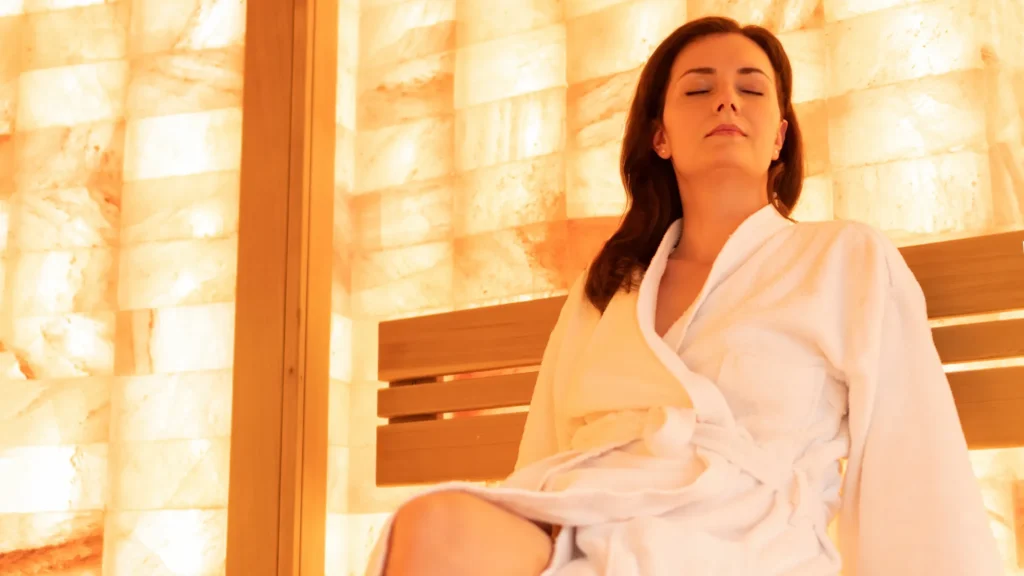
After every Training Lab cohort session at Sisu, the Coach states the recovery protocol for that day’s training and walks the cohort to the sauna together. Four reserved seats in the Finnish sauna. Cold plunge optional, sequenced correctly for what you just trained:
- Strength-dominant day (hinge or squat focus). Sauna only. No cold. The Coach will remind you.
- Strength day with a metabolic finisher. Sauna, then an optional short cold at the very end. Timed to protect mTOR signaling.
- Conditioning or cardio-dominant day. Full contrast protocol. Sauna, cold, repeat, end on cold.
The member does the training. The Coach carries the protocol.
The Ritual also has a social dimension that matters. The cohort you train with is the cohort you sauna with. Four people who showed up, did the work, and then sat together in the heat. That shared recovery window is where the community happens. It is part of the model, not a marketing element.
Members who join for recovery-only access run the protocols above with help from a Longevity Technician on their first session. The decision table and the Søberg protocol above remain the reference.
The Complete Science
Everything above gives you the practical framework. What follows is the full physiological picture, the molecular pathways, the biomechanics, the research, and the nuances that sharpen the decision-making behind each protocol recommendation.
If you’ve arrived here directly: training adaptations run through two distinct molecular pathways, structural (building bigger, stronger tissue) and metabolic (building a bigger aerobic engine). Cold exposure interferes with one but not the other, and that single distinction determines all timing guidance in this document.
Two Ways Your Body Adapts to Exercise
Every workout triggers a chain of biological events that, over time, makes you fitter. But not all workouts trigger the same chain. Training adaptations split into two broad categories, each driven by different molecular signals.
The Structural Pathway: Building Bigger, Stronger Tissue
What it builds: Muscle size, force production, connective tissue strength
When you lift heavy weights, the mechanical tension creates microscopic damage to muscle fibers. This damage triggers an inflammatory response, your body’s repair crew floods the area, activates specialized cells called satellite cells, and begins rebuilding the tissue larger and stronger than before. The molecular signal driving this process is mTOR (mechanistic target of rapamycin), a protein that acts as a master switch for muscle protein synthesis, the process of assembling new muscle tissue from amino acids. (Bodine et al., 2001)
The inflammation is the signal, not a side effect to be managed. It’s the mechanism that tells your body to adapt. Suppress that inflammation and you suppress the adaptation.
The Metabolic Pathway: Building a Bigger Engine
What it builds: Mitochondrial density (more cellular power plants), capillarization (more blood vessels feeding muscles), fat-burning efficiency, lactate clearance, cardiac output, oxygen delivery
When you ride, run, swim, or row, the sustained energy demand activates a different molecular signal: AMPK (AMP-activated protein kinase), which triggers a cascade leading to the production of more mitochondria, the structures inside cells that convert fuel into usable energy. A related protein called PGC-1α (peroxisome proliferator-activated receptor gamma coactivator 1-alpha) acts as a master regulator of this process, turning up the activity of genes involved in aerobic metabolism. (Jäger et al., 2007)
The key difference: these adaptations are driven by energy demand and oxygen consumption, not tissue damage. There’s no inflammatory repair cycle to protect. Cold exposure doesn’t interfere with any of these signals. (Jäger et al., 2007; Ihsan et al., 2015)
Why Cold Blunts Strength Gains but Not Endurance Gains
The Strength Problem
Cold water immersion after resistance training suppresses the inflammatory response that drives muscle rebuilding. Research has shown that regular post-strength cold immersion measurably reduces long-term hypertrophy (muscle fiber growth) and anabolic signaling. (Roberts et al., 2015; Fyfe et al., 2019) Fyfe and colleagues found that after 7 weeks of resistance training, CWI attenuated muscle fiber hypertrophy compared to control, while 1-RM strength gains were similar between groups, suggesting cold primarily blunts the size adaptation pathway with less effect on pure strength expression.
Cold reduces blood flow to the tissue, lowers the local inflammatory response, and dampens the mTOR signaling cascade, the exact pathway your muscles need to initiate repair and growth. The blunting effect is acute, meaning it’s the post-workout window (roughly 0 to 3 hours) that matters most.
| Timing After Strength Training | Cold Exposure Recommendation |
| Immediately after | Avoid |
| 2 to 4 hours after | Cautious, signaling may still be active |
| 4+ hours after | Generally safe |
| Evening, after morning strength | Fine, acute window has closed |
| Day before strength session | No residual effect |
The blunting is acute, not residual. A cold plunge tonight won’t affect tomorrow morning’s strength session.
Why Endurance Training Is Different
Endurance adaptations, across every sport and every intensity level, operate through the AMPK/PGC-1α pathway, not the mTOR/inflammatory pathway. None of the key adaptations depend on a damage-repair cycle:(Jäger et al., 2007; Ihsan et al., 2015)
| Endurance Adaptation | Biological Pathway | Affected by Cold? |
| More mitochondria | AMPK / PGC-1α | No |
| More capillaries feeding muscles | VEGF (vascular endothelial growth factor) | No |
| Better fat burning | Metabolic enzyme changes | No |
| Faster lactate clearance | MCT transporter density | No |
| Stronger heart output | Stroke volume remodeling | No |
| Better oxygen delivery | Blood volume and hemoglobin | No |
This holds across the full intensity spectrum, whether you’re doing Zone 2 base work, threshold intervals, or max-effort VO2 max repeats:
| Workout Type | Primary Adaptation | Cold After? |
| Zone 2 / easy endurance | Mitochondrial density, fat oxidation | ✓ Green light |
| Tempo / sweet spot | Lactate clearance, aerobic efficiency | ✓ Green light |
| Threshold | Lactate buffering, sustained power | ✓ Green light |
| VO2 max intervals | Cardiac output, max aerobic power | ✓ Green light |
| Sprints / neuromuscular | Neural recruitment, peak power | ✓ Green light |
Concentric-Dominant Sports Get the Clearest Pass
There’s a biomechanical reason cold is especially benign after cycling, swimming, and rowing: these sports are almost entirely concentric, the muscles shorten under load without a significant eccentric phase (muscles lengthening under load, like the lowering portion of a squat). Eccentric contractions create the most muscle fiber damage and trigger the inflammatory repair cascade. The pedal doesn’t resist you on the way up. The water doesn’t pull your arm back. Even an all-out sprint on the bike, the adaptations are metabolic and neural, not structural. (LaStayo et al., 2003)
This makes cycling, swimming, and rowing among the cleanest endurance activities to pair with cold exposure. Zero concern at any intensity.
Running and Impact Sports: One Small Caveat
Running includes an eccentric component that concentric-dominant sports don’t. Every footstrike involves your quads and calves absorbing 2 to 3x your bodyweight, especially during very long runs, downhill efforts, and technical trail running. This creates structural adaptation in the lower legs and connective tissue, what coaches call “running-specific durability.”
In practice: Research hasn’t shown meaningful impairment of endurance adaptations from cold water immersion even after hard runs. (Broatch et al., 2014) If you want to be cautious after an extremely long or downhill-heavy session, waiting 1 to 2 hours before cold exposure is reasonable. But this is a minor consideration, not a strong contraindication. The same applies to other impact-heavy endurance work like trail running or plyometric-intensive cross-training.
Heat Exposure: An Active Recovery Partner Across All Training Types
So far the focus has been on what to avoid: cold after strength work. The other side of the picture is what to use. Heat exposure actively supports adaptation across both the structural and metabolic pathways. The mechanisms make the case for sauna as a training tool, not only a recovery ritual.
What Heat Actually Does to Your Body
The clinical literature on regular sauna bathing documents a wide range of cardiovascular, endocrine, and metabolic effects, alongside well-characterized contraindications. (Hannuksela & Ellahham, 2001; Laukkanen & Kunutsor, 2024) The mechanisms most relevant to training recovery are summarized below.
Heat Shock Proteins (HSPs)
When your core temperature rises significantly, cells produce heat shock proteins, molecular chaperones (helper molecules) that:(Kregel, 2002; Selsby et al., 2007)
- Prevent protein breakdown, HSPs stabilize damaged proteins, preventing them from misfolding (losing their functional shape) or being broken down prematurely
- Assist protein assembly, New proteins synthesized after training need to fold into precise three-dimensional shapes to function; HSPs guide this process
- Build stress resilience, Regular HSP activation creates a preconditioning effect, making cells more resistant to future thermal, oxidative, and mechanical stress
The primary families involved, HSP70 and HSP90, are upregulated (produced in greater quantities) by sauna exposure at 80 to 100°C (176 to 212°F) for 15+ minutes.
HSPs support the exact protein synthesis process that cold suppresses. Heat and cold have opposite effects on the structural/mTOR pathway: heat assists it, cold blunts it.
HEAT SHOCK PROTEINS: YOUR BODY’S MOLECULAR REPAIR CREW
Heat shock proteins (HSPs) are among the oldest and most conserved stress-response molecules in biology, found in virtually every organism from bacteria to humans. Despite their name, they respond to far more than heat. Any significant cellular stress, exercise, fever, oxygen deprivation, toxin exposure, triggers their production.
Think of HSPs as quality control inspectors on a cellular assembly line. When a new protein is synthesized (built from amino acids), it must fold into a precise three-dimensional shape to function. HSPs guide this folding process, prevent misfolding, and tag irreparably damaged proteins for recycling. After a hard training session, your cells are producing thousands of new proteins to repair and adapt. HSPs ensure those proteins are assembled correctly.
The two families most relevant to exercise recovery are HSP70 (which prevents protein aggregation and assists refolding) and HSP90 (which stabilizes signaling proteins critical to the mTOR pathway). Regular sauna exposure at 80 to 100°C (176 to 212°F) for 15+ minutes reliably upregulates both families, creating a preconditioning effect, your cells become more resilient to future stress of all kinds, not just heat. This is why consistent sauna practice compounds over time: you’re building a stronger cellular repair system with each session. (Kregel, 2002; Selsby et al., 2007)
Growth Hormone Release
Growth hormone (GH) elevation is among the documented endocrine responses to sauna exposure: (Laukkanen & Kunutsor, 2024)
- Acute sauna sessions are associated with elevated circulating GH levels
- Repeated sessions and longer exposure tend to amplify the response
- GH supports muscle repair, connective tissue remodeling, and fat metabolism
- The effect is acute (returns to baseline within hours) but repeated exposure creates cumulative benefit
Increased Blood Flow and Nutrient Delivery
Heat causes vasodilation, blood vessels widen, increasing flow to muscles and connective tissue. This accelerates:
- Delivery of amino acids and glucose to recovering tissue
- Removal of metabolic waste products (lactate, hydrogen ions, cellular debris)
- Inflammatory mediator transport, supporting, not suppressing, the repair cascade
Parasympathetic Shift
Sauna exposure, particularly the cooldown period afterward, promotes parasympathetic nervous system activation, the “rest and digest” branch of your autonomic nervous system, as opposed to the sympathetic “fight or flight” branch. Heart rate variability (HRV), a measure of your nervous system’s recovery state, typically improves in the hours following heat exposure. This supports recovery between training sessions. (Stanley et al., 2015)
Heat and Strength Training: Active Support
Heat actively supports strength adaptations:
| Mechanism | How It Supports Muscle Rebuilding |
| Heat shock proteins | Protect newly synthesized muscle proteins from degradation; guide proper folding |
| Growth hormone | Supports muscle repair and connective tissue remodeling |
| Vasodilation | Increases nutrient delivery to damaged fibers |
| Inflammation support | Does NOT suppress inflammatory signaling, allows the mTOR cascade to proceed |
| Preconditioning | Regular heat exposure reduces excessive muscle damage from subsequent training (Selsby et al., 2007) |
This is the opposite of cold. Where cold suppresses the inflammatory cascade that drives hypertrophy, heat supports and accelerates it. Post-strength sauna is a productive recovery choice.
Heat and Endurance Training: Compounding Benefits
Heat acclimation through regular sauna use produces endurance-specific adaptations that compound what your aerobic training is already building:
Plasma Volume Expansion
Regular sauna use (4 to 7 sessions/week) increases blood plasma volume, the fluid component of blood. More plasma means:(Scoon et al., 2007; Zurawlew et al., 2016)
- Higher stroke volume (your heart pumps more blood per beat)
- Improved cardiac output at the same heart rate
- Better thermoregulation during exercise
- Reduced cardiovascular strain at any given intensity
Think of it as a sea-level version of altitude training’s effect on blood volume.
Thermoregulation Improvement
Regular heat exposure trains your body’s cooling systems:
- Earlier onset of sweating (lower core temperature threshold)
- Higher sweat rate
- More dilute sweat (conserving electrolytes)
- Lower core temperature at the same exercise intensity
If you race in warm conditions, and most of us do at some point during the season, improved thermoregulation is a direct performance advantage.
Potential VO2 max Enhancement
Some studies have shown improved time to exhaustion and VO2 max improvement following regular post-exercise sauna protocols. The likely mechanism is plasma volume expansion improving cardiac output at maximum effort. (Scoon et al., 2007)
Heat Across the Endurance Intensity Spectrum
| Workout Type | Sauna After? | Specific Benefit |
| Zone 2 / endurance | ✓ Excellent | Compounds aerobic base building; plasma volume expansion |
| Tempo / sweet spot | ✓ Excellent | Supports lactate clearance adaptation; blood flow |
| Threshold | ✓ Excellent | Thermoregulation improvement; recovery acceleration |
| VO2 max intervals | ✓ Excellent | Cardiac output enhancement; parasympathetic recovery |
| Sprints / neuromuscular | ✓ Beneficial | Neural recovery support; growth hormone |
| Long session / race simulation | ✓ Excellent | Heat acclimation directly relevant to race conditions |
Sauna Timing
| Scenario | Recommendation | Rationale |
| After any workout type | ✓ Beneficial | Supports both structural and metabolic pathways |
| After strength specifically | ✓ Actively supportive | HSPs and GH enhance muscle repair |
| After endurance specifically | ✓ Compounds benefits | Plasma volume, thermoregulation, cardiac output |
| Before a workout | ⚠ Caution | Dehydration and elevated core temp may impair performance |
| Evening (no workout) | ✓ Valuable | Parasympathetic shift, HSP maintenance, weekly target minutes |
Contrast Therapy: Why the Combination Is Greater Than Either Alone
Contrast therapy, alternating heat and cold exposure, is more than “sauna plus cold plunge.” The sequential application creates physiological effects that neither modality produces alone.
The Vascular Pumping Effect
Heat causes vasodilation (blood vessels widen). Cold causes vasoconstriction (blood vessels narrow). Alternating between the two creates a pumping action:(Cochrane, 2004)
- During heat: Vessels dilate, blood flow increases to peripheral tissues, nutrient delivery accelerates
- During cold: Vessels constrict, blood is driven back toward the core, metabolic waste is flushed from tissues
- Repeated cycling: Each alternation moves fluid through tissues more effectively than either stimulus alone
This is active circulatory work that accelerates waste clearance and delivers fresh nutrients to recovering tissue.
Autonomic Nervous System Training
Your autonomic nervous system has two branches: the sympathetic (“fight or flight”, increases heart rate, sharpens focus, mobilizes energy) and the parasympathetic (“rest and digest”, slows heart rate, promotes recovery, supports digestion). Health and resilience depend on the ability to shift smoothly between these states.
The alternation between heat and cold trains exactly this flexibility:(Stanley et al., 2015)
- Heat initially raises sympathetic tone, then shifts parasympathetic during cooldown
- Cold triggers an acute sympathetic spike followed by a parasympathetic rebound
- Repeated cycling improves the system’s ability to transition between states
- Greater HRV (heart rate variability) over time, reflecting improved autonomic balance
That autonomic flexibility is itself a longevity marker. A nervous system that can rapidly respond to and recover from physiological stress is more resilient than one stuck in either gear. (Laukkanen et al., 2015)
The Hormonal Cascade
The combined protocol triggers a richer hormonal response than either modality alone:
- From heat: Growth hormone elevation, heat shock protein production, prolactin increase (Laukkanen & Kunutsor, 2024)
- From cold: Norepinephrine surge (200 to 300% above baseline), sustained dopamine elevation, brown fat activation(Šrámek et al., 2000; Søberg et al., 2021)
- Combined: The sequential stress-recovery cycling may amplify individual hormonal responses
The norepinephrine surge from cold is the standout: it improves mood, attention, and focus while driving metabolic rate increases through brown fat thermogenesis. This is why the protocol calls for ending on cold.
A quick word on brown fat. Most body fat is white fat, it stores energy. Brown fat does the opposite: it burns energy to generate heat. Infants have a lot of it (they can’t shiver yet, so brown fat keeps them warm). Adults retain smaller deposits, primarily around the upper back, neck, and along the spine. Brown fat is dense with mitochondria, that’s what gives it its color, and when activated, it pulls glucose and fatty acids from the bloodstream and converts them directly into heat without muscular work. Regular cold exposure increases both the volume and activity of brown fat tissue over time. (Šrámek et al., 2000; Søberg et al., 2021) This is one of the mechanisms behind the metabolic benefits of deliberate cold exposure, and it’s the reason the Søberg protocol instructs you to end on cold and let your body rewarm itself, that rewarming effort is your brown fat at work.
The Søberg Protocol: Why Sequence Matters
The research-backed protocol for maximum metabolic benefit:(Søberg et al., 2021)
- Heat first, Sauna, 15 to 20 minutes at 80 to 100°C (176 to 212°F)
- Vasodilation, HSP activation, growth hormone release
- Core temperature rises significantly
- Cold second, Cold water immersion, 2 to 4 minutes at “uncomfortably cold but safe” temperature
- Vasoconstriction, norepinephrine surge
- Core temperature drops
- End on cold, do not rewarm artificially
- Allow shivering to occur naturally
- Shivering activates brown fat thermogenesis
- Your body’s effort to rewarm itself is the metabolic benefit
- Toweling off and dressing is fine; a hot shower or returning to the sauna defeats the purpose
Multiple rounds: Some practitioners alternate 2 to 3 rounds of heat→cold, amplifying the vascular pumping effect. The final round should still end on cold.
How Contrast Therapy Interacts with Different Training Types
Putting it together: how the combined protocol interacts with different training adaptations.
After Endurance Training (Any Sport, Any Intensity): The Best Use Case
Contrast therapy was made for this:
- Heat phase compounds endurance adaptations (plasma volume, thermoregulation, cardiac output)
- Cold phase doesn’t interfere with metabolic adaptations (completely different pathway)
- Vascular pumping accelerates waste clearance from working muscles
- Parasympathetic shift from the full protocol supports recovery between sessions
- Norepinephrine from cold provides mood and focus benefit without any adaptation cost
All upside. No downside. Whether you just finished a long ride, a track workout, a masters swim session, or an easy recovery jog, the full contrast protocol supports your recovery without compromising what your body is building.
After Strength Training: Modified Protocol
The conflict is specifically between cold and the mTOR/inflammatory pathway:
- Heat phase actively supports strength adaptation (HSPs, growth hormone, blood flow)
- Cold phase suppresses the inflammatory signaling that drives hypertrophy
- Best practice: Sauna only after strength training. Save the cold component for later (4+ hours) or the next day. You get the full benefit of heat without risking any blunting from cold.
If you strongly want contrast therapy on a strength day, do the full protocol in the evening if strength training was in the morning (4+ hour buffer). The acute mTOR signaling window will have largely closed by then.
On Recovery Days: Full Protocol, Maximum Benefit
Days without training are the cleanest opportunity for contrast therapy:
- No adaptation pathway to protect or interfere with
- Full vascular pumping benefit for residual recovery from prior days
- Autonomic flexibility training
- Hormonal benefits (growth hormone from heat, norepinephrine from cold)
- Weekly target accumulation for both sauna and cold minutes
- Parasympathetic restoration
When Your Body Is Working Overtime to Recover
Your body’s recovery state isn’t simply “recovered” or “not recovered.” There are distinct physiological patterns that reveal how your system is responding to accumulated stress.
Heart rate variability (HRV), the variation in time between heartbeats, is one of the most useful windows into this process. Higher HRV generally signals a well-recovered nervous system with strong parasympathetic activity. Lower HRV typically signals stress, fatigue, or incomplete recovery. Resting heart rate (RHR) provides the other half of the picture, elevated RHR usually means the cardiovascular system is working harder than normal at baseline.
Tracked together over time against your personal baselines, HRV and RHR create four distinct recovery patterns: (Plews et al., 2013; Morpheus Recovery System, Hubley)
| Pattern | RHR | HRV | What It Means |
| Positive adaptation | ↓ Below baseline | ↑ Above baseline | Genuinely recovered. System is strong and ready for training stress. |
| Active stress | ↑ Above baseline | ↓ Below baseline | Under load. Heart working harder, recovery capacity reduced. Pull back. |
| Flat & fatigued | ↓ Below baseline | ↓ Below baseline | System depleted. Not stressed but not adapting either. Needs varied stimulus. |
| Actively compensating | ↑ Above baseline | ↑ Above baseline | The tricky one, see below. |
The compensatory pattern seems contradictory at first. Elevated resting heart rate usually signals stress, but elevated HRV typically signals recovery. What’s actually happening is your parasympathetic nervous system is working overtime to counterbalance an underlying stress load, like a thermostat cranking the AC because the oven is on. The numbers might look fine on the surface, but the system is under real strain.
This pattern often shows up 2 to 4 days after a particularly hard block of training or during periods of accumulated life stress layered on top of training load.
Why contrast therapy is especially valuable here:
- The parasympathetic promotion from the overall protocol supports your body’s recovery effort
- Vascular pumping accelerates clearance of residual training stress
- The autonomic cycling, sympathetic spike from cold, parasympathetic rebound, helps the nervous system find its way back to true balance
- More effective than passive rest alone for accelerating the return to true positive adaptation
If you track HRV and resting heart rate and notice both are elevated above your baseline, contrast therapy (ending on cold) is one of the best recovery tools you have.
Summary: Heat, Cold, and Contrast by Training Context
| Training Context | Sauna | Cold Plunge | Full Contrast | Best Protocol |
| After strength training | ✓ Actively supports | ✘ Blunts adaptation | ⚠ Mixed | Sauna only; defer cold 4+ hrs |
| After endurance (any sport, any intensity) | ✓ Compounds benefits | ✓ No interference | ✓ Optimal | Full contrast, end on cold |
| After running (most sessions) | ✓ Compounds benefits | ✓ No interference | ✓ Optimal | Full contrast, end on cold |
| After very long/downhill run | ✓ Compounds benefits | ✓ Minor caveat | ✓ Fine | Full contrast; wait 1 to 2 hrs if cautious |
| Recovery day | ✓ HSPs, GH, recovery | ✓ Norepinephrine, metabolism | ✓ Optimal | Full contrast, end on cold |
| Compensatory recovery pattern | ✓ Parasympathetic support | ✓ Autonomic training | ✓ Especially valuable | Full contrast, end on cold |
| Combined strength + endurance day | ✓ After either | ⚠ Time from strength | ⚠ Depends on timing | See combined training table |
Quick-Reference: Protocol Recommendations by Training Day
After Endurance Training (Any Sport, Any Intensity)
Protocol: Full contrast, sauna first (15 to 20 min), cold second (2 to 4 min), end on cold per Søberg protocol. No contraindication at any endurance intensity level, in any sport. Shivering after cold is part of the benefit.
After Running (All Intensities)
Protocol: Full contrast, same as above. After extremely long runs (20+ miles) or heavily downhill sessions, waiting 1 to 2 hours before cold exposure is a reasonable precaution.
After Strength Training
Protocol: Sauna only in the acute post-workout window. Defer cold exposure 3 to 4+ hours. If strength is in the morning, evening contrast therapy is fine. If strength is in the evening, defer cold to next day.
Combined Training Days
| Sequence | Contrast Therapy Timing |
| Strength AM → Endurance PM | Full contrast after endurance is fine (4+ hours post-strength) |
| Endurance AM → Strength PM | Contrast between sessions is fine; sauna-only after strength |
| Endurance AM → Strength PM → Evening | Skip evening cold or sauna-only |
| Endurance only | Anytime post-workout |
| Strength only | Sauna post-workout; defer cold 3 to 4+ hours or next day |
Recovery / Off Days
Protocol: Full contrast, optimal timing. No training adaptation to protect. Maximize weekly target accumulation and parasympathetic restoration.
Weekly Integration Example
For an endurance athlete balancing sport-specific training, strength work, and recovery modalities. This example uses a triathlon framework, but the principles map directly to any endurance discipline, substitute your sport-specific sessions where it makes sense.
| Day | Training | Recovery Protocol |
| Mon | Strength A | Sauna only (evening OK); defer cold to Tue |
| Tue | Quality Endurance (VO2 max / Intervals) | ✓ Full contrast, end on cold |
| Wed | Easy Aerobic (Zone 2 swim, easy run, etc.) | ✓ Full contrast, end on cold |
| Thu | Strength B | Sauna only (evening OK); defer cold to Fri |
| Fri | Long Endurance (Zone 2 ride, long run) | ✓ Full contrast, end on cold |
| Sat | Mobility / Recovery | ✓ Full contrast, no training to protect |
| Sun | Off / Light Activity | ✓ Full contrast, recovery day |
This schedule hits 3 to 4 contrast sessions and 5 to 6 sauna sessions per week, comfortably meeting the research targets for cardiovascular and metabolic benefits (sauna: 57+ minutes/week optimal, (Laukkanen et al., 2015) cold: 11+ minutes/week total(Søberg et al., 2021)) while fully protecting strength adaptations.
Key Takeaways
| Common Belief | What the Research Shows |
| Cold plunge after any hard workout is bad | Only after strength/hypertrophy training (Roberts et al., 2015) |
| Harder endurance work = more reason to avoid cold | Endurance adaptations are metabolic at all intensities(Jäger et al., 2007; Ihsan et al., 2015) |
| Running and cycling are the same for cold exposure | Running has slightly more structural component, but cold is still fine (LaStayo et al., 2003; Broatch et al., 2014) |
| Sauna and cold plunge have the same concerns | Sauna is safe, and beneficial, after everything, including strength (Kregel, 2002; Selsby et al., 2007; Laukkanen & Kunutsor, 2024) |
| You need to avoid cold for a full day after strength | A 3 to 4 hour buffer is enough, not a full day (Roberts et al., 2015) |
| Contrast therapy is just about feeling good | The vascular pumping, hormonal cascade, and autonomic training have measurable physiological effects (Cochrane, 2004; Bieuzen et al., 2013; Laukkanen et al., 2015; Šrámek et al., 2000; Søberg et al., 2021) |
References
- Bodine, S.C., et al. (2001). Akt/mTOR pathway is a crucial regulator of skeletal muscle hypertrophy and can prevent muscle atrophy in vivo. Nature Cell Biology, 3(11), 1014-1019. DOI: 10.1038/ncb1101-1014
- Bieuzen, F., Bleakley, C.M., & Costello, J.T. (2013). Contrast water therapy and exercise induced muscle damage: a systematic review and meta-analysis. PLoS ONE, 8(4), e62356. DOI: 10.1371/journal.pone.0062356
- Broatch, J.R., Petersen, A., & Bishop, D.J. (2014). Postexercise cold water immersion benefits are not greater than the placebo effect. Medicine & Science in Sports & Exercise, 46(11), 2139-2147. DOI: 10.1249/MSS.0000000000000348
- Cochrane, D.J. (2004). Alternating hot and cold water immersion for athlete recovery: a review. Physical Therapy in Sport, 5(1), 26-32. DOI: 10.1016/j.ptsp.2003.10.002
- Fyfe, J.J., Broatch, J.R., Trewin, A.J., Hanson, E.D., Argus, C.K., Garnham, A.P., Halson, S.L., Polman, R.C., Bishop, D.J., & Petersen, A.C. (2019). Cold water immersion attenuates anabolic signalling and skeletal muscle fiber hypertrophy, but not strength gain, following whole-body resistance training. Journal of Applied Physiology, 127(5), 1403-1418. DOI: 10.1152/japplphysiol.00127.2019
- Hannuksela, M.L., & Ellahham, S. (2001). Benefits and risks of sauna bathing. American Journal of Medicine, 110(2), 118-126. DOI: 10.1016/s0002-9343(00)00671-9
- Ihsan, M., et al. (2015). Regular postexercise cooling enhances mitochondrial biogenesis through AMPK and p38 MAPK in human skeletal muscle. American Journal of Physiology: Regulatory, Integrative and Comparative Physiology, 309(3), R286-R294. DOI: 10.1152/ajpregu.00031.2015
- Jäger, S., Handschin, C., St-Pierre, J., & Spiegelman, B.M. (2007). AMP-activated protein kinase (AMPK) action in skeletal muscle via direct phosphorylation of PGC-1α. Proceedings of the National Academy of Sciences, 104(29), 12017-12022. DOI: 10.1073/pnas.0705070104
- Kregel, K.C. (2002). Heat shock proteins: modifying factors in physiological stress responses and acquired thermotolerance. Journal of Applied Physiology, 92(5), 2177-2186. DOI: 10.1152/japplphysiol.01267.2001
- LaStayo, P.C., et al. (2003). Eccentric muscle contractions: their contribution to injury, prevention, rehabilitation, and sport. Journal of Orthopaedic & Sports Physical Therapy, 33(10), 557-571. DOI: 10.2519/jospt.2003.33.10.557
- Laukkanen, T., Khan, H., Zaccardi, F., & Laukkanen, J.A. (2015). Association between sauna bathing and fatal cardiovascular and all-cause mortality events. JAMA Internal Medicine, 175(4), 542-548. DOI: 10.1001/jamainternmed.2014.8187
- Laukkanen, J. A., & Kunutsor, S. K. (2024). The multifaceted benefits of passive heat therapies for extending the healthspan: A comprehensive review with a focus on Finnish sauna. Temperature, 11(1), 27-51. DOI: 10.1080/23328940.2023.2300623
- Plews, D.J., Laursen, P.B., Stanley, J., Kilding, A.E., & Buchheit, M. (2013). Training adaptation and heart rate variability in elite endurance athletes: opening the door to effective monitoring. Sports Medicine, 43(9), 773-781. DOI: 10.1007/s40279-013-0071-8
- Roberts, L.A., et al. (2015). Post-exercise cold water immersion attenuates acute anabolic signalling and long-term adaptations in muscle to strength training. Journal of Physiology, 593(18), 4285-4301. DOI: 10.1113/JP270570
- Scoon, G.S., Hopkins, W.G., Mayhew, S., & Cotter, J.D. (2007). Effect of post-exercise sauna bathing on the endurance performance of competitive male runners. Journal of Science and Medicine in Sport, 10(4), 259-262. DOI: 10.1016/j.jsams.2006.06.009
- Selsby, J.T., Rother, S., Tsuda, S., Pracash, O., Quindry, J., & Dodd, S.L. (2007). Intermittent hyperthermia enhances skeletal muscle regrowth and attenuates oxidative damage following reloading. Journal of Applied Physiology, 102(4), 1702-1707. DOI: 10.1152/japplphysiol.00722.2006
- Søberg, S., et al. (2021). Altered brown fat thermoregulation and enhanced cold-induced thermogenesis in young, healthy, winter-swimming men. Cell Reports Medicine, 2(10), 100408. DOI: 10.1016/j.xcrm.2021.100408
- Søberg, S. (2022). Interview: Dose-response thresholds for cold and heat exposure (episode and derivative clips). The Huberman Lab Podcast. Retrieved from https://www.youtube.com/watch?v=7aYArAYghUA
- Šrámek, P., Šimečková, M., Janský, L., Šavlíková, J., & Vybíral, S. (2000). Human physiological responses to immersion into water of different temperatures. European Journal of Applied Physiology, 81(5), 436-442. DOI: 10.1007/s004210050065
- Stanley, J., Halliday, A., D’Auria, S., Buchheit, M., & Leicht, A.S. (2015). Effect of sauna-based heat acclimation on plasma volume and heart rate variability. European Journal of Applied Physiology, 115(4), 785-794. DOI: 10.1007/s00421-014-3060-1
- Zurawlew, M.J., Walsh, N.P., Fortes, M.B., & Potter, C. (2016). Post-exercise hot water immersion induces heat acclimation and improves endurance exercise performance in the heat. Scandinavian Journal of Medicine & Science in Sports, 26(7), 745-754. DOI: 10.1111/sms.12638
Model reference:
- Morpheus Recovery System (Dan Hubley). HRV/RHR Quadrant Interpretation Model: four-state classification of autonomic recovery patterns based on simultaneous resting heart rate and heart rate variability trends relative to personal baselines.
About Sisu Longevity Studio
Sisu Longevity Studio is a veteran-owned recovery and longevity facility in Colorado Springs, Colorado, focused on closing the gap between lifespan and healthspan. Our recovery modalities include traditional Finnish sauna, cold plunge, contrast protocols, HBOT, float therapy, red light therapy, halotherapy, PEMF, vibroacoustic therapy, compression therapy, and AlterG anti-gravity training. Programming is evidence-based and shaped by the Finnish concept of sisu: determination and resilience in the face of adversity.
Sisu welcomes athletes, veterans, busy parents, active seniors, and anyone training for a longer, stronger life.
10855 Victory Ridge, Suite 140 · Colorado Springs, CO 80908 sisulongevity.com
The information in this article is for educational purposes only and is not intended as medical advice. Thermal therapy protocols may not be appropriate for everyone. Consult your physician before beginning any new wellness protocol, particularly if you have cardiovascular conditions, are pregnant, or take medications that affect blood pressure or heart rate.
Live Better · Longer