

Eight tests. One scorecard. Your trajectory.
what we measure + why it matters
Each measure, what it captures, and what it predicts.For body, mind, and longevity.
VO2 Max
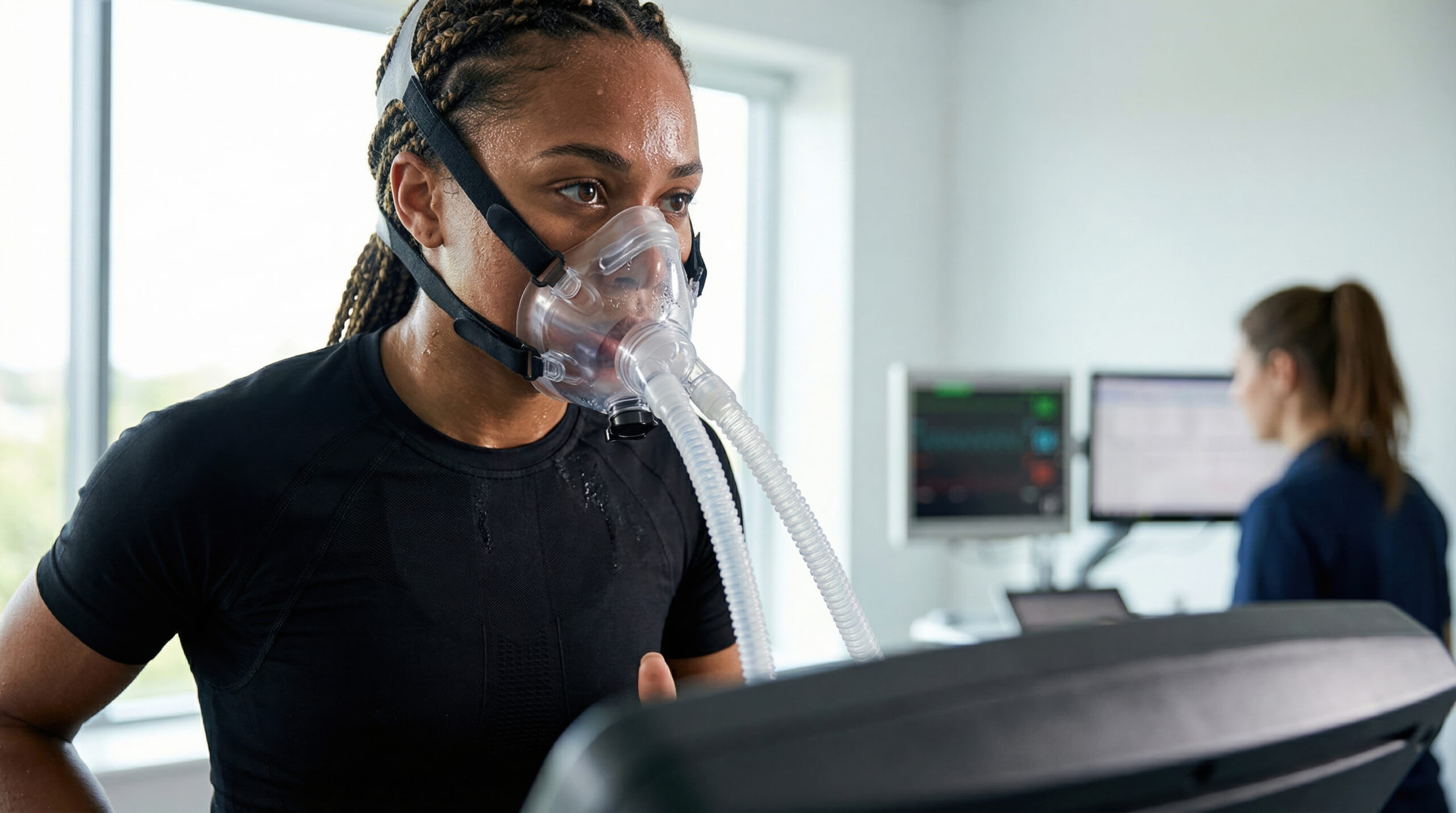
The maximum amount of oxygen your body uses during sustained exercise, measured directly with the KORR CardioCoach Pro. The single most-validated predictor of all-cause mortality in adults over 50.
Lactate Threshold
The exercise intensity at which metabolism shifts from aerobic to anaerobic. A direct measure of metabolic conditioning and the durability of your endurance.
Body Composition
Three-dimensional capture via Shape Scale 3D: lean mass, fat percentage, fat distribution, and segmental proportions. Far more useful than scale weight or BMI.
Movement Quality
Demotu motion-capture screening of major functional movement patterns. Identifies asymmetries and compensations that predict injury risk and limit training capacity.
Grip Strength
A remarkably accurate proxy for total body strength. One of the strongest independent predictors of mortality and functional independence in older adults.
Functional Carry
A timed weighted carry that captures grip endurance, postural tolerance, and core stability under load. The functional translation of carrying your own groceries at 75.
Balance
Single-leg stance time, eyes-open and eyes-closed. A direct correlate of fall risk after 60 and a sensitive measure of vestibular and proprioceptive integrity.
Gait Screening
Walking speed and a kinematic snapshot of stride length, cadence, and symmetry. Walking speed is one of the strongest single predictors of remaining life expectancy.
Strongest Decade Outlook
A single-page scorecard with three classifications: On Track, Building, or Act Now. Plain-language interpretation, specific recommendations, and a six-month retest date.
Six Month Retest
The protocol is built for longitudinal tracking. Six months is the practical interval that produces a clear signal above noise across the full battery of measures.
Our environment, designed for longevity
Our Equipment
We built a toolkit, not a showroom. Every modality here was selected because the research backs it, then sourced from the providers who do it best. The same hard-shell hyperbaric technology used in clinical settings. The same anti-gravity treadmill trusted by professional athletes. That standard runs through everything we do.
Our Space
We designed Sisu around the belief that environment shapes outcomes. Intuitive flow between ten modalities, private changing areas, and a team present enough to guide you and experienced enough to get out of your way. This is what a serious longevity space feels like.
Our Amenities
Relaxation lounge, tea service, and hydration stations. We provide bench mats for every sauna session. Bring your own towel and robe, or pick up the real thing — we carry authentic Finnish sauna textiles in-studio. Private locker rooms and showers.
Dig in deeper with The Sisu Assessment (Strongest Decade Baseline)

View our other modalities & services
Begin to Live Better ... Longer
Improved healthspan and longevity starts with showing up. Choose a membership tier that fits your schedule, and build from there — Core sessions, Premium services, and coached training are all under one roof.
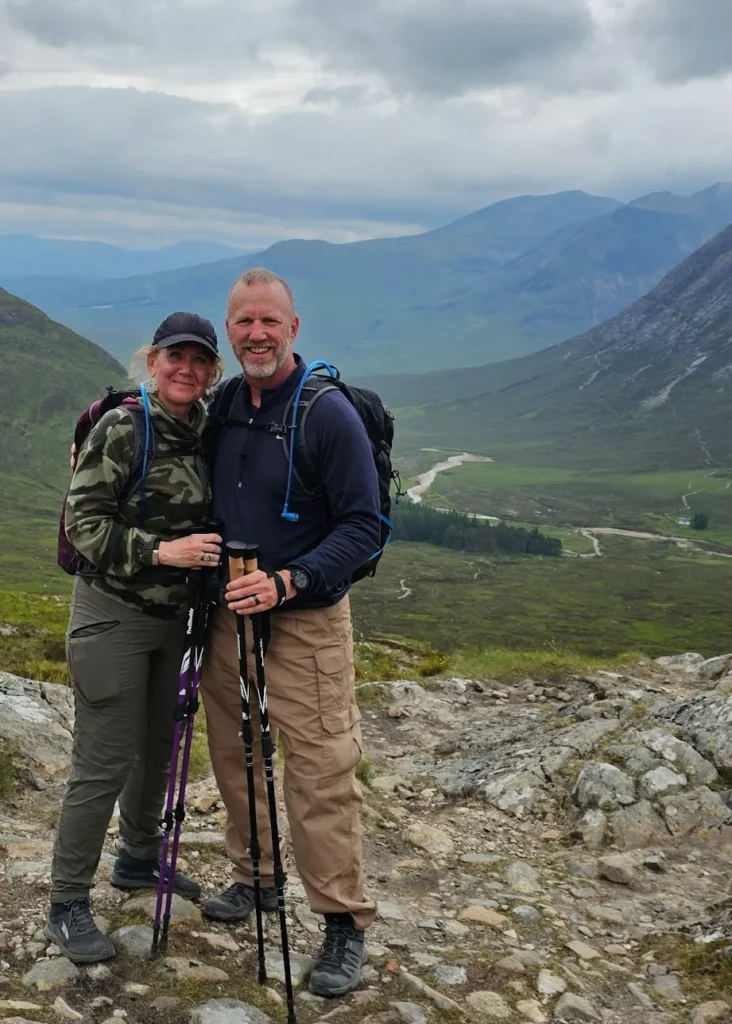

Experience Sisu for Yourself
Come see it. Schedule a tour and try the space before you commit.



Frequently Asked Questions
General Questions
Do I need to be a Sisu member to take the assessment
No. The Sisu Assessment is available to anyone. Open Lab members receive 10% off. Cohort, Rajaton, Founder, and Sisu Forever members get the Assessment included annually.
How long does the session take?
Ninety minutes from check-in to scorecard delivery. The cardiorespiratory portion (VO2 plus lactate) is the most physically demanding. The strength, movement, balance, and gait measures are lower-effort and follow.
How is this different from a fitness test at a gym?
A typical fitness test measures a few things (body fat, VO2 Max, maybe a one-rep max). The Sisu Assessment measures eight capacities specifically chosen for their predictive validity in longevity research. It is a complete baseline, not a sample.
How is this different from a doctor's physical?
A physical evaluates clinical health markers (blood pressure, cholesterol, organ function) to identify disease. The Sisu Assessment measures physical capacities (cardiorespiratory fitness, strength, movement quality) to identify trajectory. The two are complementary and address different questions.
Who administers the assessment?
A Sisu Longevity Coach trained in the assessment protocol.
Preparations questions
How should I prepare for the assessment?
Eat normally in the 24 hours before, but avoid a heavy meal within two hours of the appointment. Hydrate well the day before and the morning of. Avoid intense training in the 24 hours before; a light walk is fine. Don’t make this the day you cut caffeine. Drink your normal morning coffee.
What should I wear?
Athletic shoes, athletic shirt, and shorts or leggings you can move in. The Demotu motion capture works best in form-fitting clothes.
Should I bring anything?
Water and a light snack for after the session are useful. Everything else is provided.
Result and Use Questions
How long does it take to get results?
You receive the full scorecard and Sisu Strongest Decade Outlook classification at the end of the session, before you leave. Results are also emailed to you for your records.
How often should I retest?
Every six months for most members. Quarterly for those in active performance programs (training for an event, returning from injury, monitoring a specific metric).
Can I share the data with my doctor or coach?
Yes. Members regularly share the scorecard with personal physicians, physical therapists, and outside coaches. The data is portable.
What if I'm not in good shape?
The Assessment is designed for the full range of starting points. The protocols scale. The scorecard is honest about where you stand. Many members start in the Act Now classification and use the data to drive their first six months at Sisu.
Do I need a referral?
No. This is a wellness assessment, not a medical procedure. No physician referral is required.
Contraindications
Are there any conditions that would prevent me from taking the assessment?
You’ll complete a NASM-aligned pre-assessment questionnaire (PAR-Q+ and supporting screens) before the session. Any responses that flag cardiovascular, neurological, or musculoskeletal concerns will trigger a referral to your medical provider for clearance before the assessment proceeds. This is standard, protective practice across credentialed assessment protocols.